

Automattic recently brought a group of employees to New York City for two weeks of intensive AI training. Birgit Pauli-Haack shares what the team built, what changed, and what it means for the WordPress ecosystem. Birgit is a WordPress Developer Advocate at Automattic and the curator of Gutenberg Times, the go-to resource for news and community voices around the WordPress block editor. She is a full-time core contributor to the WordPress open source project, sponsored by Automattic, and co-hosts the Gutenberg Changelog podcast.
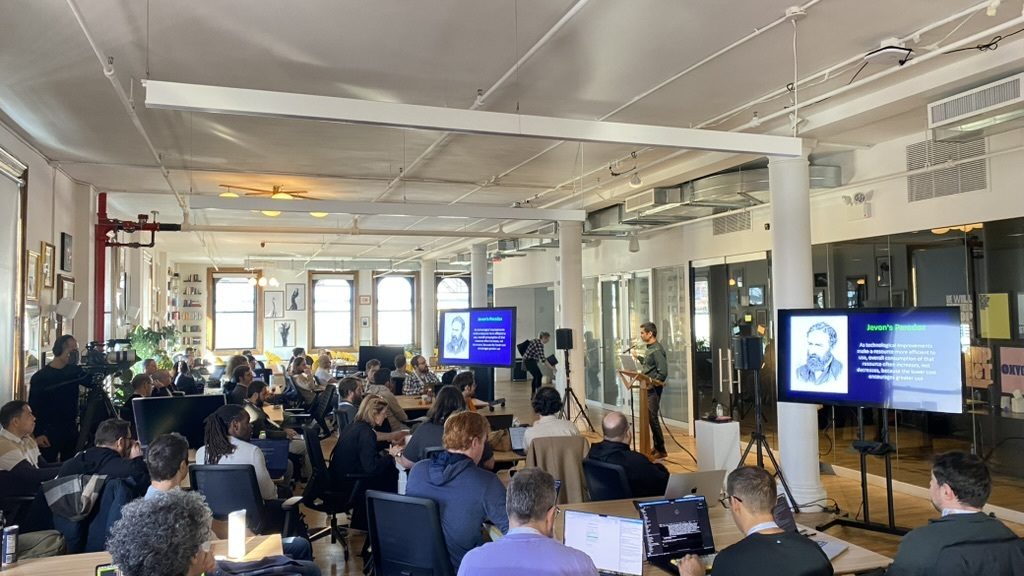
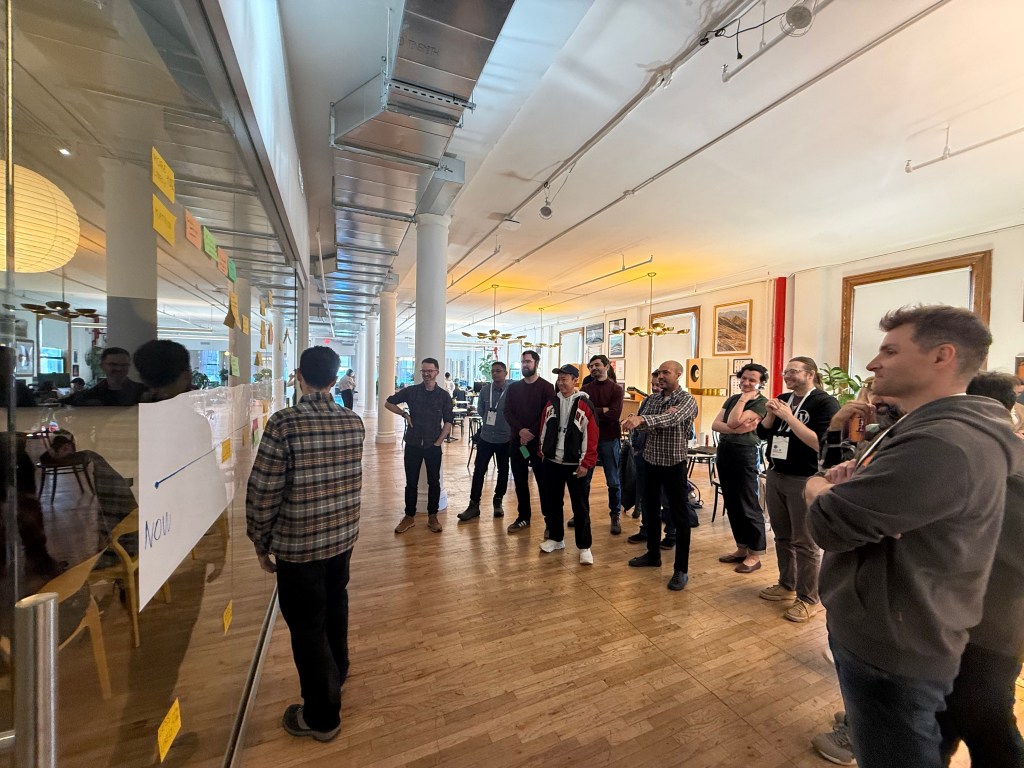
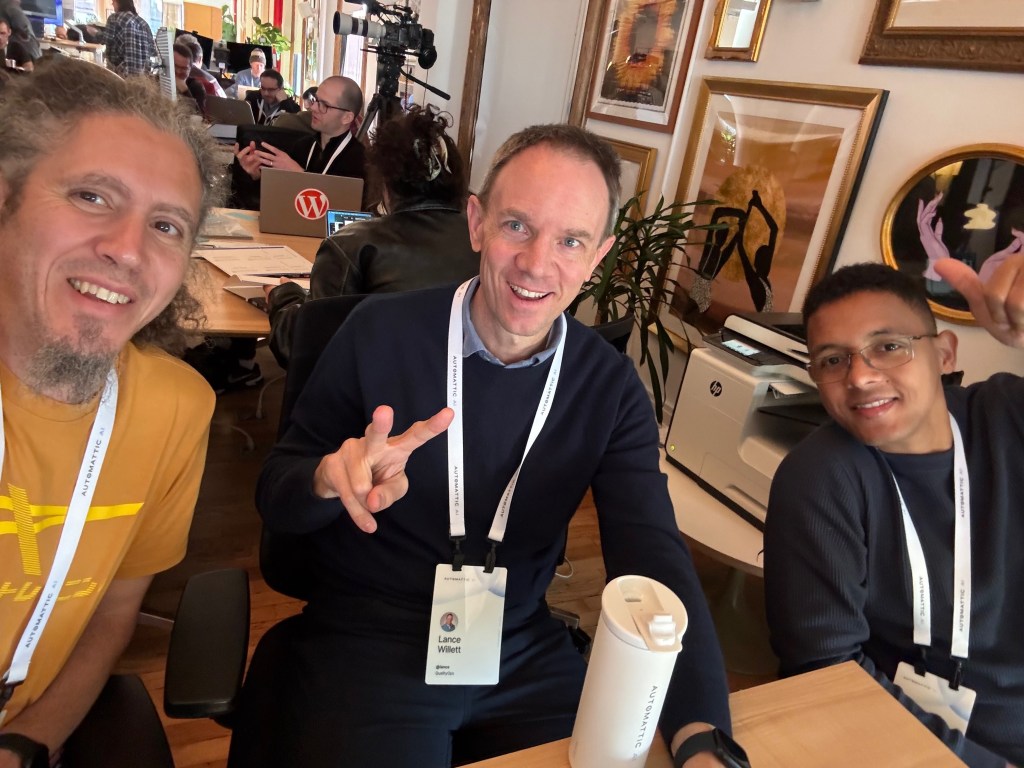
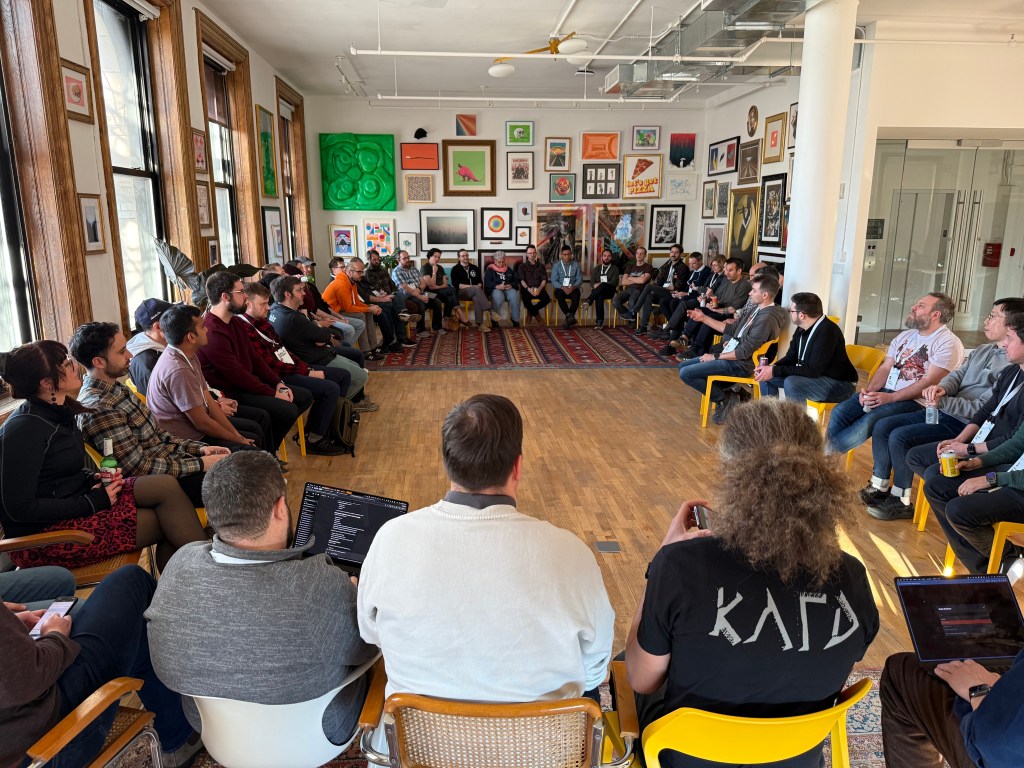
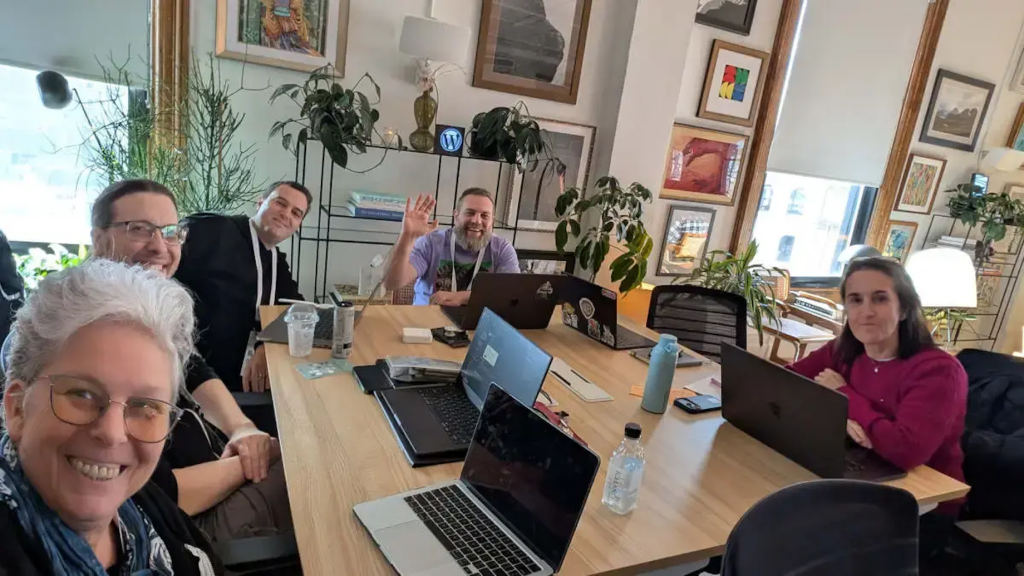
Earlier this year, Automattic brought 54 employees to New York City for two weeks of intensive AI training. Two full weeks of hands-on building, experimenting, and rethinking what’s possible when AI becomes a core tool in how we work.
Why This Matters Beyond Automattic
Automattic is the largest contributor to the open source WordPress project. We invest significant human time and resources into its development, security, and growth. When we train our people on new capabilities, those capabilities show up in our contributions. The tools our teams build, the problems they learn to solve, the workflows they develop—all of that feeds back into the WordPress ecosystem.
What We Did
The training was hands-on. Participants built these real projects in two weeks:
- AI-powered chatbots tailored to specific WordPress publications
- Content workflows that summarize, draft, and adapt material in a publication’s voice
- Automated triage systems that parse bug reports, spin up test environments, and surface findings—turning hours of maintenance into minutes
- Plugins optimized for AI agents, making WordPress content more accessible to AI-powered discovery
Attendees learned how to tame context windows and provide supporting skills, workflows and agents to the AI tools. These are working tools, many already in use or publicly available.
The Bigger Shift: Who Gets to Build
AI is collapsing the distance between idea and implementation. People who’ve spent careers working around technical constraints—marketers, editors, support specialists, project managers—are now building functional tools themselves. At Automattic, this means more of our team can contribute technically to the products and projects we support.
This democratization of coding means I’m not limited by my coding skills; I’ve got superpowers to create custom solutions and make WordPress even better. For the broader WordPress community, the implications are similar:
- More people can build: Plugin development, site customization, and workflow automation become accessible to people without traditional developer backgrounds.
- Iteration accelerates: Ideas move from concept to working prototype in hours.
- Contributions multiply: When building gets easier, more people contribute—to their own sites, to clients, and to open source.
This is the kind of work that becomes possible when a company invests in AI fluency at scale. Success heavily depends on a clear vision, architectural consistency and radical quality control. AI doesn’t absolve responsibility, though. The contributor is responsible for the code, the implementation, unit tests, and the documentation.
Preparing for the Third Audience
One project from the training points to where the web is heading. Inspired by Dries Buytaert’s concept of “The Third Audience,” participants built plugins that serve Markdown versions of content to AI crawlers—optimizing for humans, search engines, and the AI agents increasingly mediating how people discover information.
As AI-powered search and assistants become more prevalent, making your content easily digestible for these tools could become as important as SEO once was. I started a plugin to replicate this for WordPress. The first version of the POC is available on GitHub. The next step is to spruce it up and submit it to the WordPress repository.
Bringing AI to the Broader Community
Investment in AI literacy extends beyond Automattic. Through a donation to the WordPress Foundation and University of Illinois Chicago (UIC), Automattic has enabled the launch of the nation’s first workforce-focused AI literacy curriculum, developed in partnership with the UIC Tech Solutions Open Source Fund. The program, called AI Leaders, is designed as a workforce-first credential, teaching AI literacy through hands-on execution.
Automattic is also bringing these conversations into the broader tech community. Through our New York City space, we host dev/ai/nyc, a monthly AI meetup open to developers, designers, and digital professionals. We have also sponsored the EvolveDigital Summit in New York City, where we led a workshop on using AI to create, publish, and grow audience engagement through WordPress.
What This Signals
Flying dozens of people across the country for two weeks is a significant investment. It’s also a statement about our priorities: We believe AI fluency is essential for the people building and supporting the products and projects that power the WordPress ecosystem.
For me, what comes next is exploring whether Claude and I can contribute to Playground and Gutenberg to resolve some minor issues, and ongoing contributions to WordPress core.
The web is changing. The companies that thrive in five years will be the ones that learned to build with AI now. This two-week training turbo-charged everyone’s AI proficiency and increased their outcome five to 10 times bigger, faster, and better.
Links to learn more:
 Automattic