


Growing your agency in 2025 starts with outlining intentional strategies and then dedicating time to put them into practice. Sustainable growth, profitability, and strong client relationships come from deliberate, well-planned actions.
In this guide, you’ll find 19 strategies to help your agency succeed. These go beyond lead generation and sales tips—because signing dozens of new contracts is only great if your operations can handle the workload. Growth is about finding new relationships, but also about expanding and refining existing ones.
So, from fine-tuning service offerings to improving client retention, these strategies are meant for agencies ready to scale quickly without compromising on quality. Related to that, we’ll talk about the Automattic for Agencies program, which provides exciting new ways to boost efficiency, increase profits, and improve the quality of your work.
Who Is This Guide For?
This guide is for those ready to move past a plateau and drive growth. It doesn’t matter if you’re running a boutique operation or managing a mid-sized team, if you’re looking to grow, you’re in the right place.
It’s especially useful for agency owners and managers who are:
- Looking to boost revenue and maintain quality as they scale.
- Ready to refine their service offerings to stand out from the competition.
- Aiming to boost profitability and client retention by becoming upselling, cross-selling, and client-relationship-building experts.
Who’s Behind This Guide?
This guide is brought to you by Automattic for Agencies, a program designed specifically to help agencies thrive. Whether you’re managing multiple WordPress sites or building ecommerce stores with WooCommerce, we provide the tools, resources, and support you need to grow your business.

Brought to you by the same people behind WordPress.com, Jetpack, WooCommerce, and Pressable, we have a deep understanding of the challenges agencies face. The Automattic for Agencies program offers exclusive access to volume discounts, centralized site management tools, streamlined client invoicing, and premium support—all designed to help agencies like yours scale efficiently and boost profitability.
We have the expertise and know-how to empower agencies for long-term success. We believe that agency success is the key to our future.
Part 1: Service Offerings
Your agency’s service offerings lay the foundation for growth. To that end, having refined services—like specializing in key areas and creating value-driven packages—can help your agency stand out in a crowded market and attract clients who are willing to invest in expertise.
Let’s explore some ways to achieve this.
1. Consider Specializing in a Niche
One of the fastest ways to set your agency apart from competitors is by niching down. Specializing in a specific industry or service shows off your expertise and makes it easier to position your agency as the go-to solution for that niche. This brings several benefits:
- Pricing power: When your agency becomes an expert in a particular area, you can command higher rates. Clients will pay more for agencies that deeply understand their industry’s challenges and can provide custom solutions.
- Brand differentiation: Specializing helps you stand out from generalist agencies. Potential clients are more likely to remember and seek out an agency with a clear focus rather than one offering a wide range of unspecific services.
- Efficient operations: Focusing on a specific niche means your team can develop processes and expertise that increase efficiency. This reduces project turnaround times and improves revenue, too.
Before choosing a niche, assess your agency’s strengths, review your current client base, and identify underserved industries. You don’t need to limit yourself to just one—many agencies find success in having two or three complementary specializations that allow for diversification while maintaining focus.
2. Develop a Signature Service or Product
Agencies that have a “thing” they’re known for stand out. You need something that sets you apart from the competition and positions you as a leader in your chosen niche. Your signature could be a unique process, a proprietary tool, or a custom package that delivers something no one else does.
To figure out what you might offer, first identify a common client need. Look at your existing client base and identify recurring challenges they face. What problems are you uniquely equipped to solve?
From there, develop a process. This should be a repeatable framework that solves the problem consistently.
Once your signature service is defined, promote it heavily in your marketing efforts. Highlight it in your sales pitches, on websites, and in content to attract clients who need this specific solution.
For instance, an agency focused on fitness studios could develop a signature service called the “Membership Maximizer Package”—a custom website solution with a built-in membership conversion funnel, class scheduling, and automated billing. You could then promote this package as a conversion booster for fitness studios, which would help your agency stand out and attract clients looking for a specialized solution.
Signature services don’t have to be complicated, but they should solve a critical pain point for your clients.
3. Expand Complementary Services and Upsell Opportunities
One of the easiest ways to boost revenue is by expanding into complementary services that align with your main offering. Upselling clients on additional services increases the value of each contract and deepens your relationship.
If your agency specializes in web design, you could also offer SEO or content creation services. This allows your agency to meet more of your clients’ needs, so they won’t need to outsource to another company.
Talk to your existing clients to get a sense of what services you could upsell. What would make their lives easier or help them achieve their goals faster? Then, group your complementary services into packages that make sense for clients at different stages of growth or with different budgets.
4. Transition to a Retainer Model for Certain Services
Moving clients to a retainer model creates consistent, predictable revenue for your agency while delivering ongoing value to your clients. Instead of one-off projects, a retainer model locks in longer-term commitments. That helps agencies and clients plan for future needs better.
Here’s how you can approach it:
- Identify services that need ongoing attention: Services like website maintenance, SEO, content marketing, or paid ad management are ideal for a retainer model.
- Talk about the value of consistent support: Help clients see the benefits of having a dedicated team to proactively address issues, make improvements, and ensure their strategy remains up-to-date.
- Structure flexible retainer plans: Not every client needs the same level of service, so consider offering tiered retainer packages.
Transitioning to a retainer model makes your cash flow more predictable and can improve client satisfaction, as they’ll feel more secure knowing you’re on call.
5. Create Bundled Service Packages
Bundling services into packages is another smart way to offer clients more value while growing revenue. Grouping services simplifies the purchasing process for clients and encourages them to invest in more than just one service at a time.
If your agency offers web development, bundle it with SEO, hosting, and website maintenance. Also, focus on the value rather than a simple discount. Clients should feel that the combined services will generate a return on investment by solving key problems or helping them achieve specific goals.
Bundled service packages increase average order values and make it easier for clients to say “yes” by simplifying their decision-making process.
Part 2: Client Acquisition and Retention
Attract new clients and keep your current ones satisfied to drive long-term growth for your agency. In this section, you’ll find strategies to boost lead generation and retention efforts for sustained success.
6. Level Up Your Lead Generation Strategy
Agency growth can’t happen without solid lead generation strategies. Without a steady stream of qualified leads, expansion is super difficult. Improving lead generation goes beyond just throwing together a few lead magnets or refining ad copy, however. To truly level up, you need a multi-faceted approach with the right tools and the right processes that address different stages of the buyer’s journey.
Here are key steps to take:
Invest in a CRM
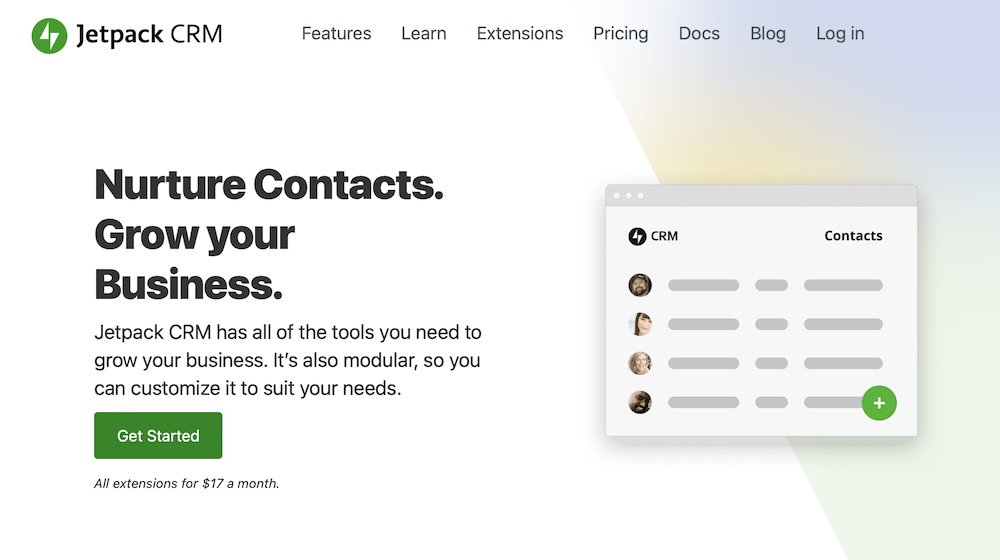
If you’re not already using a CRM, consider Jetpack CRM. This tool tracks client interactions, manages leads, and handles follow-ups—all in one place. If you already have a CRM, assess whether it’s fully supporting your needs, and make sure your team knows how to maximize its capabilities.
Create Lead Magnets for Every Stage of the Buyer’s Journey
Avoid relying on a single lead magnet. Craft a range of resources—like white papers, checklists, and guides customized for both early-stage prospects needing education and late-stage leads ready to buy.
Use a Mix of Paid and Organic Strategies
Don’t rely solely on one method for lead generation. Combine content marketing (blogs, case studies), social media outreach, and paid ads (Google Ads, social platforms) to diversify your lead sources.
7. Optimize your Agency’s Website for Conversions
Your agency already knows that a website is a powerful tool for attracting leads and converting visitors into clients. But sometimes agencies can get preoccupied with delivering amazing websites for their clients and forget to pay close attention to their own.
Take the time to periodically review your agency’s website and make sure it’s optimized for attracting and converting your ideal client. This is extremely important to keep up with on a regular basis so you don’t run the risk of out-of-date information or ineffectual CTAs negatively impacting your agency’s reputation and revenue.
Run an SEO audit and then assign tasks to complete the recommendations.
Schedule and assign team members to regularly update, test, and optimize your site with the goal of driving conversions. Make sure your team focuses on the following areas:
- Prioritizing user experience: A smooth, user-friendly browsing experience keeps visitors engaged. Optimize page load times and make navigation clear. A slow or clunky site will drive potential clients away before they even read about your services.
- Creating clear CTAs and conversion paths: Every website page should guide visitors towards an action, whether it’s signing up for a newsletter, booking a consultation, or downloading a lead magnet. Ensure your calls-to-action (CTAs) are clear, strategically placed, and applicable to the client journey.
- Leveraging social proof: Converting potential clients relies on trust. To build it, showcase testimonials, case studies, and any awards or certifications that highlight your agency’s expertise. Seeing evidence of your success with other clients can push prospects closer to making a decision.
- A/B testing key elements: Use A/B testing to experiment with different headlines, CTAs, or landing page designs. Regularly test variations to see which combination yields the highest conversion rates, and don’t hesitate to adjust based on data.
- Adding value through content: Position your agency as a thought leader by creating valuable, informative content like blog posts, white papers, or case studies. High-quality content improves SEO and helps convert visitors by addressing their needs and building trust.
- Keeping your content up-to-date: Even little things like an out-of-date copyright notice in your site’s footer or links to websites that no longer exist in your blog posts can reflect poorly on your business. Beyond making sure your site is error-free, continually adding new content and updating old content helps your site remain relevant and engaging to prospective clients.
8. Master Client Onboarding and Communication
A smooth onboarding process sets the tone for your entire client relationship. Make onboarding easier by creating a structured process that covers everything from contract signing to project timelines. Consistent, clear communication during this phase helps manage expectations and ensures everybody is on the same page from the start.
To do this, create and use onboarding templates for emails, questionnaires, and project kickoff meetings to save time and create a consistent experience from client to client. Then, incorporate automation to provide updates like progress reports and check-ins.
You should also set clear communication expectations. Establish the preferred communication channels and response times early on, so clients know exactly what to expect.
9. Create and Promote a Client Referral Program
A well-structured referral program can turn satisfied clients into your agency’s most effective marketers. Offering incentives like discounts on future services or cash rewards encourages clients to refer new business your way.
This doesn’t need to be overly complicated. Make the referral process easy to understand and participate in. A clear, concise referral form and simple reward structure will encourage more participation. Then, actively remind clients about your referral program through emails, project updates, or even post-project follow-ups.
Lastly, make sure your incentives are enticing enough to motivate clients. Discounts on future work, free upgrades, and account credits are all attractive options.
10. Create a Loyalty Program to Increase Retention
A loyalty program rewards your best clients for using your services, making them more likely to stick with your agency for the long term. Offer exclusive perks, discounts, or priority services to repeat clients, and you’ll deepen relationships and reduce churn in return.
Offer incentives that provide real value, like discounted services, early access to new offerings, or free consultations. Then, use a CRM to monitor which clients are taking advantage of your program and adjust as needed.
11. Upsell and Cross-sell to Optimize CLV
Maximizing the customer lifetime value (CLV) of each client is essential for steady agency growth, and upselling and cross-selling are great ways to expand on existing relationships by offering services that meet evolving client needs.
Start by suggesting ongoing services once you’ve completed a one-time project. For example, after delivering a website, move clients into an ongoing maintenance program with tools that are mostly hands-off for your team. Jetpack Security comes with a ton of impressive features to keep your client sites safe, and you can resell it quite easily through the Automattic for Agencies program.
You can also cross-sell complementary services, but timing matters. The most effective moment to suggest additional services is right after clients see results from your initial work. When they’re satisfied and excited about the outcome, they’ll be more inclined to invest in extras that maintain or boost those results.
Part 3: Operational Efficiency and Team Management
Streamlined operations and effective team management boost productivity and gives agencies the space to grow. Here are a few ways to bolster these aspects going forward:
12. Leverage the Best Tools for Agencies
To stay competitive and scale, agencies need tools to make operations go more smoothly, manage client work effectively, and provide a high level of support. That’s where Automattic for Agencies shines. It’s a program designed for WordPress agencies that helps you take care of everything related to site management in one place.
This starts with a centralized dashboard where you can oversee client websites, purchase products like Jetpack or premium WooCommerce extensions, and manage all client billing. This saves time and reduces complexity so you can focus on delivering value to clients.
Agency members will also gain complimentary access to premium management tools within individual products—like customized software updates with Pressable.
Benefits of Joining Automattic for Agencies
By joining Automattic for Agencies, you gain access to:
- Exclusive discounts: Agencies can enjoy volume discounts on essential WordPress services like Pressable and WordPress.com hosting, WooCommerce extensions, and Jetpack features, helping improve margins. Plus, you can present comprehensive, customized invoices to clients via Build-a-Cart referrals to earn commissions without having to front costs or increase your accounting team’s workload.
- Centralized management: The dashboard simplifies the management of multiple client sites, so you can keep licensing, billing, and site updates under one roof.
- Premium support: You get priority access to technical support through Automattic’s team of experts, reducing downtime and aiding smooth project delivery.
- Commissions and revenue sharing: Earn commissions on referrals to Automattic products, whether you manage them or not. Eligible participants can receive a portion of revenue processed when your clients use WooPayments. You may also receive migration bonuses from sites migrated to WordPress.com, Pressable, or WordPress VIP from other hosts.
How and Where to Join the Program

Signing up for Automattic for Agencies is simple and free. Visit Automattic for Agencies to learn more about the program, and fill out the quick registration form to start benefiting from tools designed to help your agency scale. Once enrolled, you can begin accessing exclusive features, pricing, and support to grow your business.
13. Adopt Agile Methodologies in Your Agency
Adopting agile methods can completely change how your agency tackles projects, making it easier to handle a growing workload while keeping quality high. Approaches like Scrum and Kanban help your team break down projects into doable chunks, shift priorities on the fly, and get results out the door faster.
With Scrum, you can split projects into “sprints,” which are short, focused work sessions where the team checks off specific tasks. Regular sprint reviews keep everyone in sync and help spot ways to improve along the way.
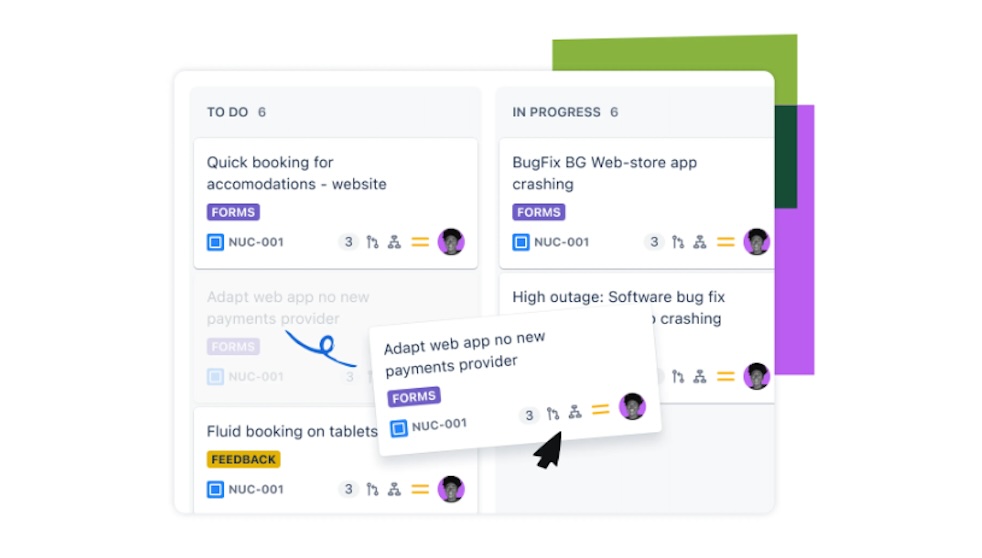
Using Kanban, you can create a visual workflow, track each step, and catch bottlenecks early. Tools like Trello or Jira make setting up a Kanban board simple.
Agile also keeps clients involved at every stage, so projects can flex with their needs without losing momentum.
14. Automate Repetitive Tasks
Automating repetitive tasks frees up your team’s time so they can focus on work that drives growth. Whether it’s email marketing or client reporting, automation makes routine tasks run smoothly, cuts down on errors, and boosts efficiency.
Use tools like Zapier or Make (formerly Integromat) to automate things like syncing data across apps, sending follow-up emails, or updating project trackers. These workflows save time and keep everyone on the same page.

For client reporting, platforms like Supermetrics can auto-generate performance reports, so clients get timely updates without your team spending hours pulling data manually.
Don’t forget to set up automated email sequences with tools like Mailchimp or MailPoet to run drip campaigns that nurture leads over time. Automatic audience segmentation means you don’t have to provide constant input for the campaign to run.
15. Invest in Team Development and Training
To grow an agency sustainably, you need a team that’s constantly improving its skills and staying ahead of industry trends. Investing in your team’s development ensures they’re equipped to handle whatever the next client needs while continuing to deliver high-quality work as you scale.
Provide access to online courses, certifications, and workshops. Hold regular knowledge-sharing sessions where team members can teach each other new skills, tools, or techniques they’ve learned. You could also establish mentorship programs within your agency to help junior team members grow and learn from senior staff.
16. Build a Strong Remote Work Culture
Many people—especially in tech-related agencies—work remotely or have a hybrid setup. Building a strong remote work culture matters to keep your team connected, motivated, and productive. Use tools like Slack to keep lines of communication open. Regular check-ins, team meetings, and informal chats help maintain a sense of connection and teamwork.
Promoting a healthy work-life balance helps, too. Encourage flexible working hours and respect boundaries between work and personal time.
Also, since remote work can be isolating at times, build a sense of community by creating virtual spaces for social interaction—think virtual coffee breaks or team-building exercises.
Part 4: Financial Growth and Scaling
Achieving financial growth and scaling successfully requires smart strategies for managing pricing and resources. Let’s take a look.
17. Regularly Conduct Pricing Audits and Adjust Rates
As your agency grows, evaluate whether your pricing reflects the value you deliver. Regular pricing audits ensure you’re not leaving money on the table and help you stay competitive.
To do this, assess each service or product to ensure it generates a healthy margin. If certain services aren’t as profitable, consider raising rates or bundling them with higher-margin offerings. Keep an eye on market trends and inflation rates as well to ensure your pricing stays competitive.
Whatever you discover, communicate it clearly with clients. Let them know the added value, whether through improved processes, better results, or enhanced services. This will give you a chance to justify the increase and maintain trust.
18. Expand Through Strategic Partnerships
Strategic partnerships can unlock new opportunities for growth by allowing your agency to offer expanded services without the burden of building everything internally. You essentially form alliances with complementary businesses so you both create a broader value proposition for clients, increase referrals, and enter new markets.
To get started, identify businesses that complement your core services, like branding agencies, copywriters, or PPC specialists. For instance, if your agency focuses on website development, collaborating with a branding agency means you can pitch a cohesive package that includes both design and functionality. This kind of collaboration creates a win-win for both partners and provides a comprehensive solution for your clients.
You could also build formal referral agreements with other service providers. When a client needs services you don’t offer, refer them to a trusted partner—and your partner should agree to do the same for you. This setup broadens your client base without additional marketing costs.
19. Secure Funding for Faster Growth
To accelerate your agency’s growth, securing external funding can help, too. Bringing in outside capital—whether through loans, equity investors, or alternative sources—opens doors to new opportunities.
Small business loans are a solid option for many agencies, offering upfront capital without sacrificing ownership. Local banks or online lenders often provide flexible repayment plans for businesses ready to expand without giving up equity.
Or, if you don’t mind offering up a bit of equity, you might consider bringing on equity investors who, in exchange for partial ownership, can offer both funding and valuable industry connections. Pursuing grant funding or using investment crowdfunding platforms like are other options as well.
With the right funding in place, your agency can confidently scale up, explore new services, or take on larger clients. This combination positions you for sustained growth.
Learn Why the Top WordPress Agencies Pick Automattic for Agencies
As your agency scales, having the right support and tools in place can make all the difference. That’s why top WordPress agencies turn to Automattic for Agencies for a comprehensive solution to manage growth. From centralized management of client sites to exclusive discounts and priority support, Automattic for Agencies offers the resources you need to expand while maintaining the highest level of service for your clients.
Ready to rapidly expand your agency? Join the program and explore how Automattic for Agencies can help you grow faster and smarter in 2025.

 Automattic